Table of contents
Coaching is no longer confined to a gym floor or a weekly Zoom call. In 2026, digital training platforms set the tempo, shaping how programs are delivered, measured, and monetized, while clients expect the same frictionless experience they get from banking apps or telehealth portals. The shift is measurable, too, as connected wearables, remote check-ins, and subscription-style fitness services keep expanding across mature markets. For modern coaches, the question is not whether to adapt, but what to learn first, and what to avoid copying blindly.
Clients now expect data, not vibes
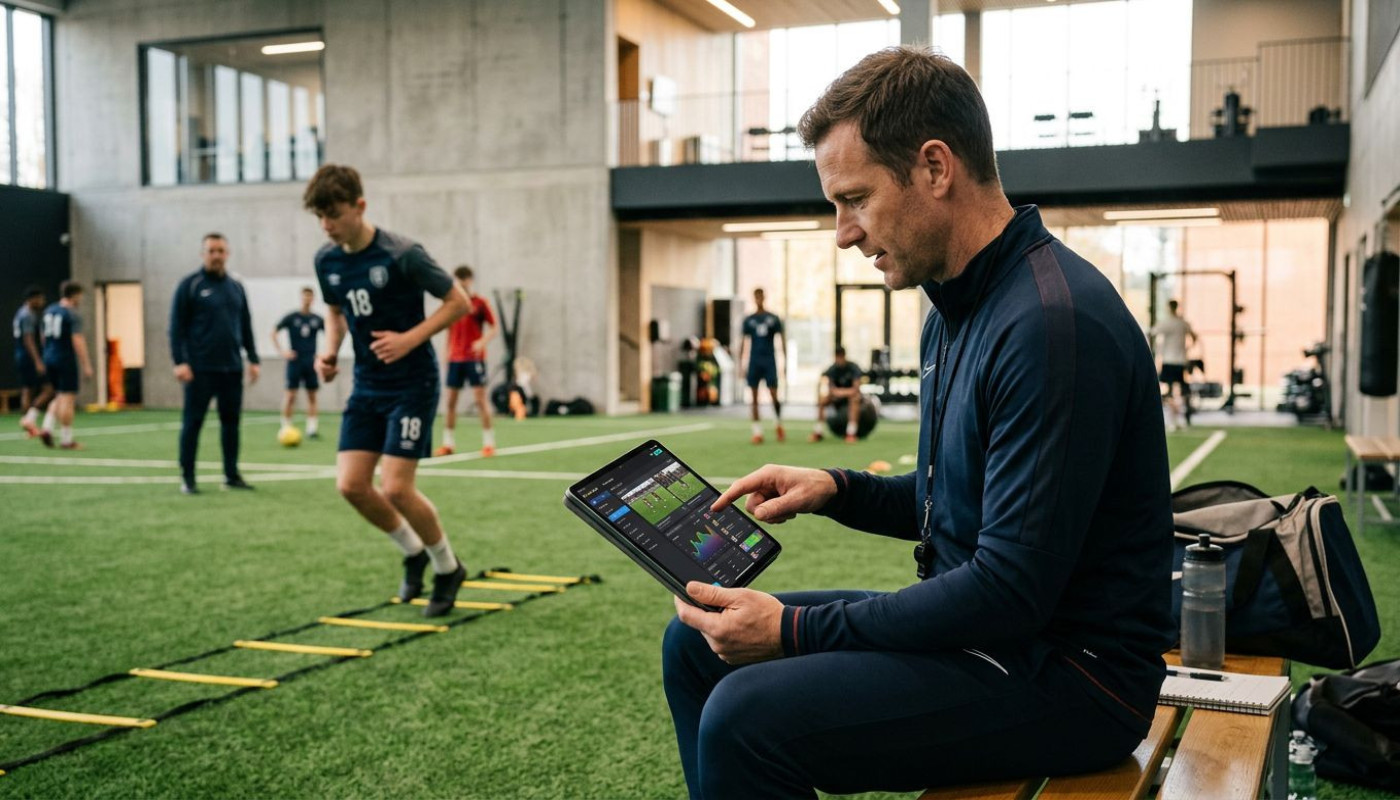
Trust is built on numbers. That is the quiet revolution digital platforms have accelerated, because once a client sees sleep duration, resting heart rate, step counts, session compliance, and training load in one place, “I feel like I’m improving” stops being enough. Platforms have taught consumers to look for proof of progress, and coaches who still rely mainly on subjective check-ins risk sounding dated, even when their instincts are excellent.
The strongest systems start with a clear measurement hierarchy, and they separate “nice-to-have” metrics from those that actually guide decisions. For strength and hypertrophy, that might be weekly volume, rate of progression, and session RPE; for fat loss, weight trends and adherence markers matter more than day-to-day scale noise; for endurance, training stress balance and recovery indicators shape the plan. Digital platforms also normalize dashboards, and that has raised the bar for reporting: clients increasingly want a short weekly recap, a forward-looking adjustment, and a reason for every change, not just a new workout drop on Monday.
There is a business angle hiding inside the physiology. When outcomes are documented, retention improves, referrals become easier, and difficult conversations get less emotional. A client who stalls for six weeks can be shown sleep data and missed sessions, and the tone shifts from blame to problem-solving. Meanwhile, coaches can spot issues earlier, such as compliance slipping after travel or a recovery dip during high-stress weeks, and intervene before motivation collapses. This is where a modern coach can borrow the most from platforms: a disciplined feedback loop, simple visuals, and a habit of making decisions in public, so the client understands the “why” behind the work.
Automation wins time, but not judgment
Convenience sells, but care keeps clients. Digital platforms have turned automation into a competitive weapon, from templated programming and auto-progressions to reminders, habit nudges, and billing flows that run without manual chasing. For independent coaches, that is a gift, because time saved on admin can be reinvested in higher-value work: better assessments, more thoughtful check-ins, and sharper program design.
Yet the best coaches learn a second lesson from the same tools: automation fails when it replaces judgment. Autogenerated progressions can overshoot a novice’s technique, generic macros can ignore cultural eating patterns, and “one-size” habit streaks can backfire for clients managing anxiety, chronic pain, or complicated schedules. Platforms are designed for scale, and scaling always means averaging; coaching, at its best, is the opposite, because it is the art of noticing the exception and acting early.
The practical playbook is to automate the predictable, and keep the human touch where risk and nuance live. Automate onboarding forms, session reminders, and simple weekly trend reports, and keep space for qualitative questions that screens struggle to ask well: How did training feel emotionally? What is happening at work? Are you avoiding certain movements because of fear? Coaches who master this balance typically produce a client experience that feels modern without becoming mechanical, and that is increasingly what people will pay for in a market crowded with templated plans.
Remote coaching blurs lines with health
The boundary is getting harder to see. As platforms collect more data and clients share more context, coaches are pulled closer to conversations about fatigue, pain, stress, hormones, and recovery, and the modern client often treats the coach as a first stop, before a clinician. That can be flattering, but it is also where professionalism is tested, because missteps carry real consequences.
Digital platforms have helped normalize referrals and multidisciplinary care, especially when clients are already used to telehealth and app-based services. The best coaching businesses build clear escalation pathways: when to suggest a physio, when to encourage a GP visit, and when to simply adjust training load and sleep priorities. Coaches also need to speak precisely, avoiding medical claims, and documenting what they see: “You report dizziness during sessions,” not “You have a condition.” This is not legal paranoia; it is a credibility signal, and it protects the client.
At the same time, demand for complementary approaches has risen alongside the platform boom, partly because people want explanations that connect body signals with lifestyle, stress, and routine. Some clients, especially those who feel unheard in conventional pathways, search for support that is more interpretive, and they will often start locally, typing phrases like medical medium near me to find a practitioner they can talk to. Coaches do not need to endorse every modality, but they do need a policy: listen without dismissal, encourage evidence-based care for symptoms that warrant it, and stay within scope while respecting a client’s values. In a remote-first era, that mix of humility and clarity is part of what “modern” actually means.
Platform economics changed what clients buy
Subscription thinking has rewritten the deal. Digital platforms trained consumers to pay monthly for access, updates, messaging, and community, rather than a single program PDF, and that has reshaped the coaching market from one-off transactions to ongoing relationships. For coaches, the upside is predictable revenue; the downside is higher expectations, because a recurring payment invites constant comparison with polished app experiences.
What modern coaches can learn is less about copying features, and more about product design. Clients want clarity on what they are paying for, and they want the “moments that matter” to be excellent: onboarding that feels personal, a check-in cadence that is reliable, and adjustments that arrive on time. The most competitive offers usually bundle three elements: programming, accountability, and education, with boundaries clearly stated. Messaging support, for example, can be framed as 24-hour response windows on weekdays, rather than “anytime,” because vague promises produce burnout and resentment.
Digital platforms also revealed something uncomfortable: community is a retention engine. Group challenges, leaderboards, and shared progress posts can increase adherence, but they can also harm clients who feel watched, behind, or judged. Coaches who learn the right lesson create opt-in community spaces, set norms for respectful interaction, and keep privacy central. They also price honestly for time, because platforms often hide the true labor behind sleek interfaces. In a crowded market, sustainable coaching is not about appearing always-on; it is about delivering consistent outcomes, and doing it in a way that still works for the coach’s life.
Booking, pricing, and support routes
Before committing, ask for a clear service outline, response times, and how progress will be measured, then budget for at least 8 to 12 weeks to judge results fairly. Many coaches offer a call-based consultation, a monthly subscription, or a hybrid plan with fewer live sessions. If you are also seeking complementary support, book locally, compare credentials and reviews, and keep your GP involved for persistent or acute symptoms.
Similar

